
Archive for 2025
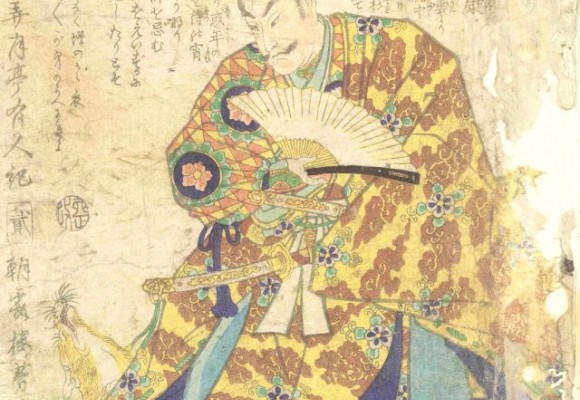
Words of the Samurai – Episode 19
Hōjō Ujiyasu condemned his son for pouring soup over his rice twice—what seemed a small act turned out to be a sign of poor judgement and a prophecy of the Hōjō clan’s decline.Read More
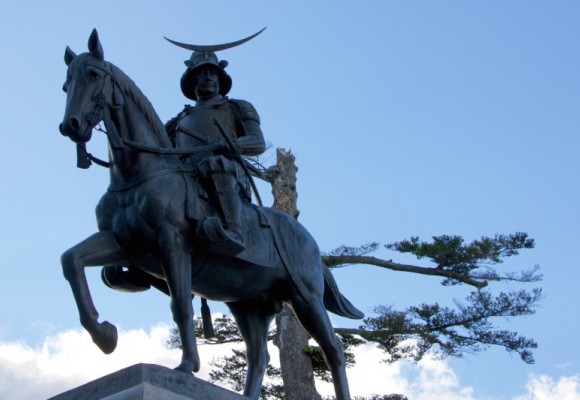
Words of the Samurai – Episode 18
A reflection on the words of Date Masamune, a Sengoku-era warlord whose philosophy of immediate action stood out in a time of uncertainty.Read More
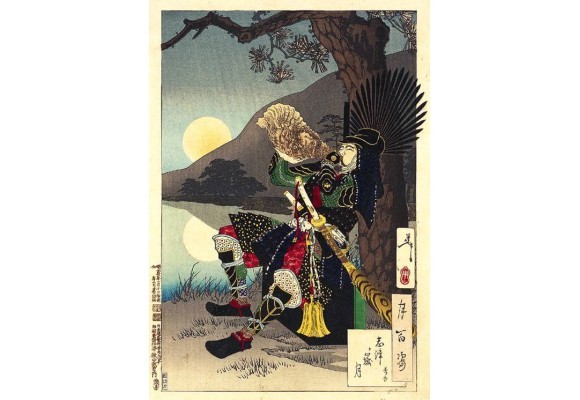
Words of the Samurai – Episode 17
In 1598, Toyotomi Hideyoshi entrusted his son’s fate to his generals. His final words revealed not command, but compassion and marked the twilight of an age.Read More
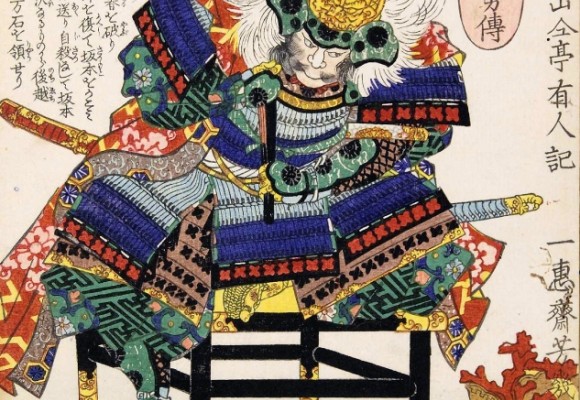
Words of the Samurai – Episode 16
In Sengoku Japan, retreat and persuasion were valid tactics. Hidemasa’s victory shows that calm strategy could be more effective than force.Read More
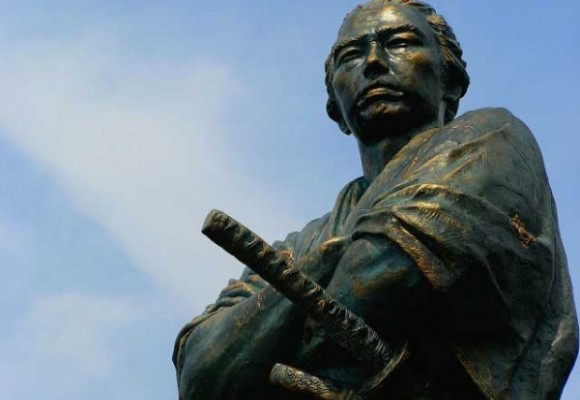
Words of the Samurai – Episode 15
Sakamoto Ryōma is often hailed as a hero, yet his real contribution to the Meiji Restoration was more that of a backstage director. In this episode, we explore a revealing statement that captures his strategic, behind-the-scenes influence.Read More
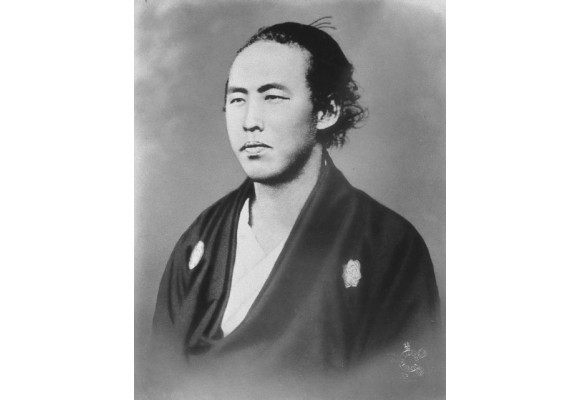
Words of the Samurai – Episode 14
In the final years of the Edo period, Sakamoto Ryōma emerged as a visionary who sought to reform Japan. His striking phrase “to wash the country” carried a powerful political message and embodied a deep desire for justice and renewal. This episode explores the meaning and impact of his words.Read More
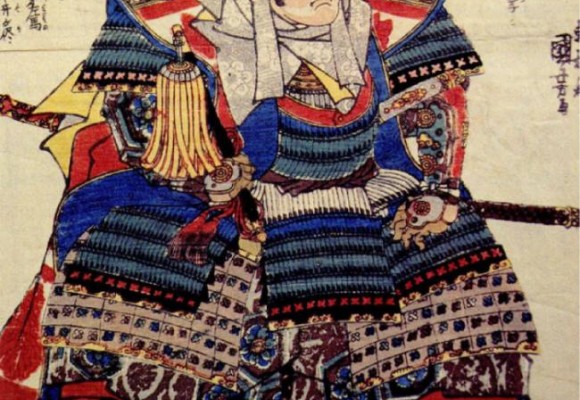
Words of the Samurai – Episode 13
Uesugi Kagekatsu, the heir of Uesugi Kenshin, expressed a powerful view on warfare: facing a strong opponent is not a burden, but an pleasure. This episode delves into the samurai’s deep respect for worthy enemies.Read More
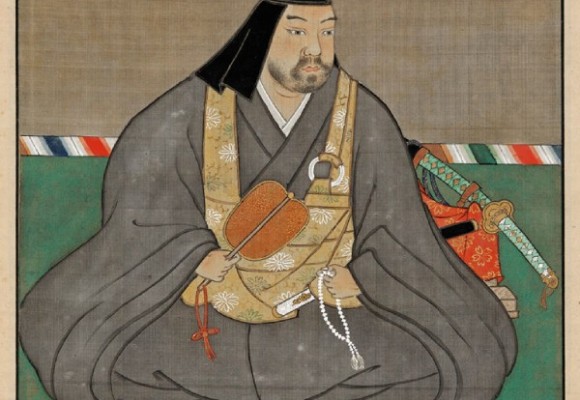
Words of the Samurai – Episode 12
Uesugi Kenshin, the famed “Tiger of Echigo,” was a rare example of integrity in an age of constant warfare. In this episode, we examine his principles and his commitment to honour over conquest.Read More
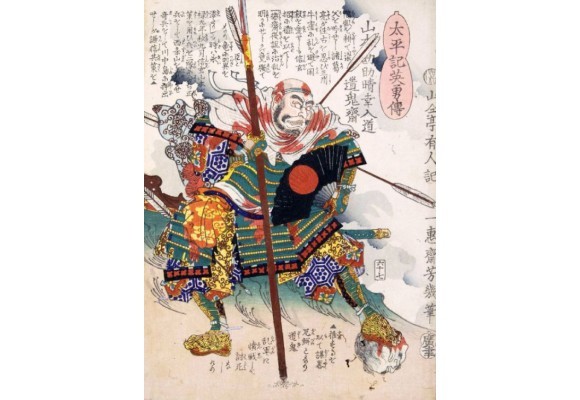
Words of the Samurai – Episode 11
A striking story of how Yamamoto Kansuke won Takeda Shingen’s trust—not with details, but by viewing all of Japan as one battlefield.Read More
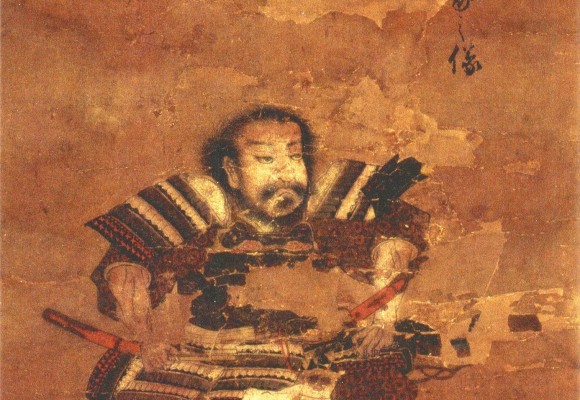
Words of the Samurai – Episode 10
During the desperate siege of Chōkōji Castle in 1570, Shibata Katsuie made a bold decision that would cement his legacy. With water supplies cut off and no chance of surrender, he shattered the last jars of water and declared that, like the water returning to the earth, he and his men would face death with honor. This act of resolve earned him the name “Kamewari Shibata” — Shibata the Jar-Breaker — and became a symbol of ultimate warrior spirit in the Sengoku era.Read More