
Shopping Cart
There are no more items in your cart


AGREEMENT BETWEEN TOYAMA RYU AND KATANAMART/YARINOHANZO
The agreement initiated in Kyoto in September 2013 has finally been completed. It concerns the equipment to be used during basic Keiko training by the members of the Zen Nippon Toyama-Ryu Iai-Do Kyokaï 全日本戸山流居合道协会, through its recognised and registered Western branch, the Dai Nihon Dentô Morinaga Toyama-Ryu Iai-Do Rengō-kai®© 大日本伝統森永戸山流居合道連合会.
The agreement was established with Katana Mart/YariNoHanzo, based in Valencia, on 12 July 2023. It was fully ratified on 31 May 2026.
The meeting was attended by Alessandro Pizzo, representing Katana Mart/YariNoHanzo, and the Shuseki Shihan of the Dai Nihon Dentô Morinaga Toyama-Ryu Iai-Do Rengō-kai®© 大日本伝統森永戸山流居合道連合会, Dr José Miguel Martínez Barrera, who is also Shūshin no gaikoku buchō (終身の外国部長), Lifetime Foreign Director for International Affairs of the Zen Nippon Toyama-Ryu Iai-Do Kyokaï 全日本戸山流居合道协会.
Within the traditional martial arts community, he is also Bugyō 奉行 (Commissioner) of the Nihon katchū gassen no kaï 日本甲冑合戦之会, a samurai association dedicated to armoured combat, and Sewayaku 世話役 (Mediating Leader) of the Kokusai Bu-Jutsu Bunka Renmei 国際武術文化連盟 NPO: 特定非営利活動法人, the International Federation of Ancient Martial Arts and Culture, based in Osaka.
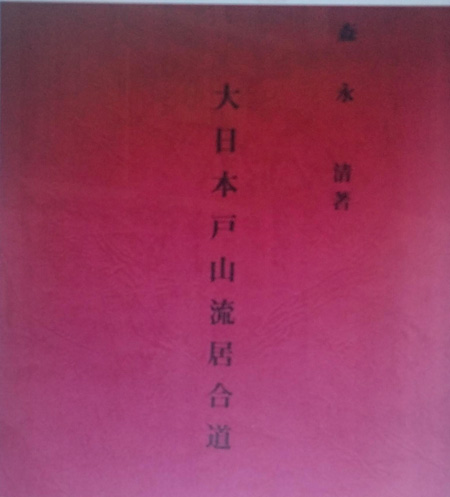
The special school established for the personal training of army personnel, founded in 1873 and known as the Rikugun Toyama Gakkō, or “Toyama Military Academy”, in Toyama, Tokyo, Japan, led to the restructuring and creation of the Toyama-Ryu school (戸山流) in 1925 by Colonel Morinaga Kiyoshi (1897-1981).
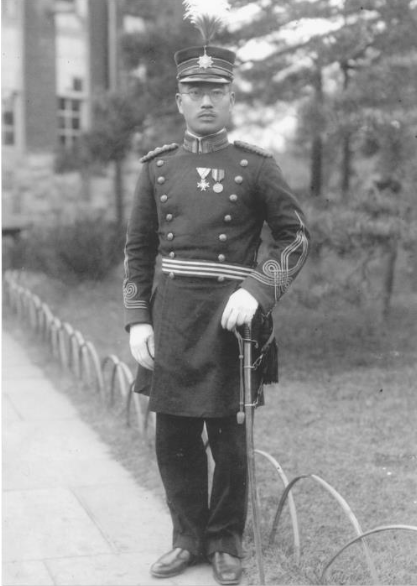
Colonel Morinaga Kiyoshi
In 1925, the fourteenth year of the Taishō era, the Toyama-Ryu sword school was established following the example of the Toyama Gakko, which used the Gunto Soho. One year earlier, Lieutenant Morinaga Kiyoshi, acting on behalf of the Japanese army, had contacted Master Nakayama Hakudo (Hiromichi), the 16th Soke of Muso Jikiden Eishin-Ryu Iaido Shimomura-Ha and later founder of Muso Shinden-Ryu. He requested his assistance in compiling a system of sword techniques that could be used on the battlefield in a direct, concise and precise manner, specifically for military purposes: Iai-Jutsu.
 HANSHI.jpg)
Nakayama Hakudo (Hiromichi)
Nakayama Hakudo (Hiromichi) Sensei had studied Shimomura-ha Tosa Iai under Hosokawa Yoshimasa and Tanimura-Ha under Morimoto Tokumi, and had already received Menkyo-Kaïden in Omori Ryu and Hasegawa Eishin Ryu. He also held an instructor’s licence in Shintō Musō-ryū and a Menkyo Kaiden in Shindō Munen-ryū. He was appointed head of the committee responsible for developing the sword curriculum for the Toyama Military Academy.
As a result, although Toyama-Ryu is a Gendaï, or modern school, it has deep roots in some of Japan’s most important traditional schools, or Koryu.
A strong spirit of collaboration developed between Nakayama Hakudo (Hiromichi) Sensei and Colonel Morinaga Kiyoshi. In 1926, Nakayama Sensei sought to clarify that the ethics of swordsmanship were not based on aggressive killing, but primarily on mental training and on conditioning the nervous system to respond, transforming awkward conscious efforts into reflexes. The instrument, the sword, is necessary to maintain this serious state of mind. He was highly critical of sporting approaches and competitive attitudes, and advocated preserving the true essence and spirituality of Japanese martial arts.
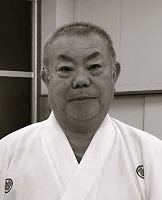 |
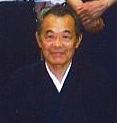 |
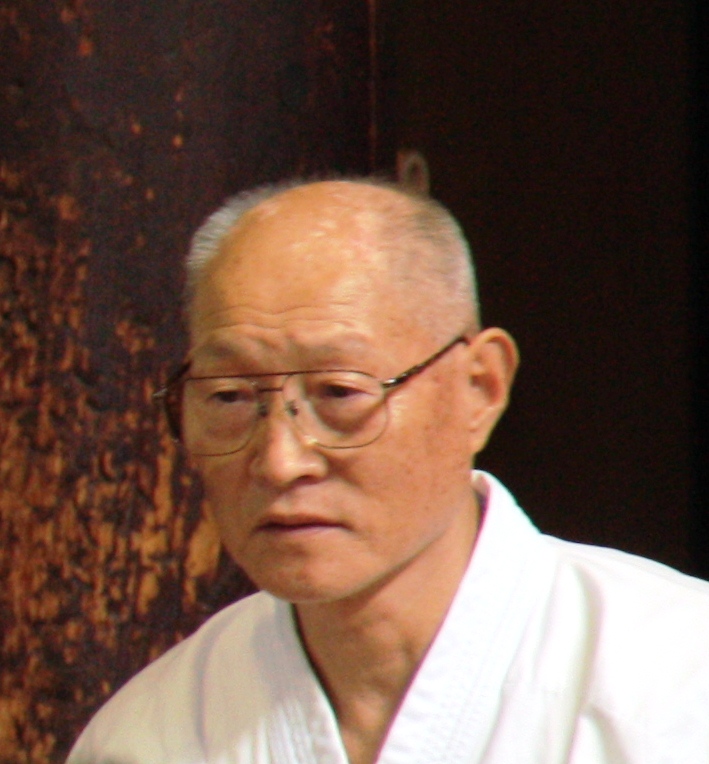 |
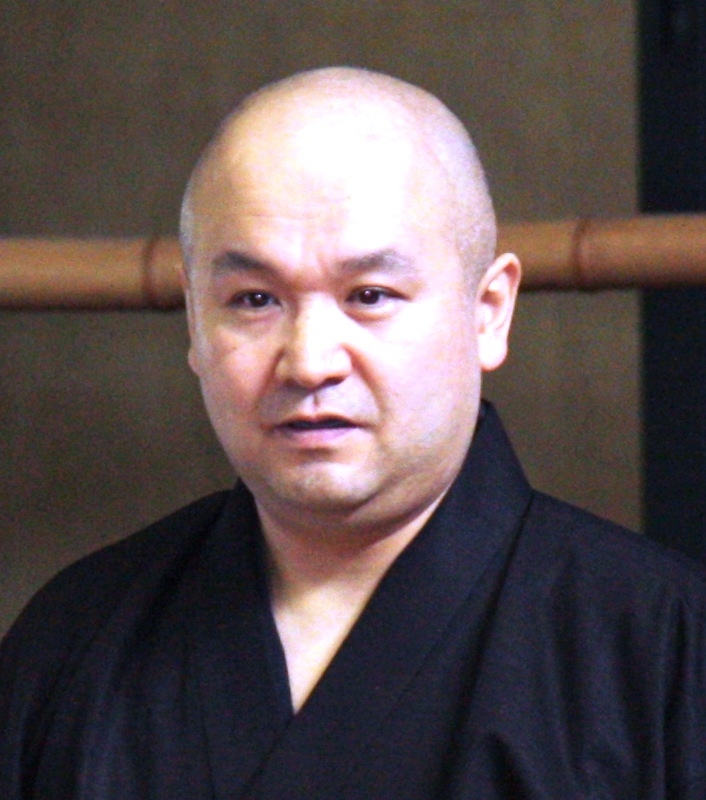
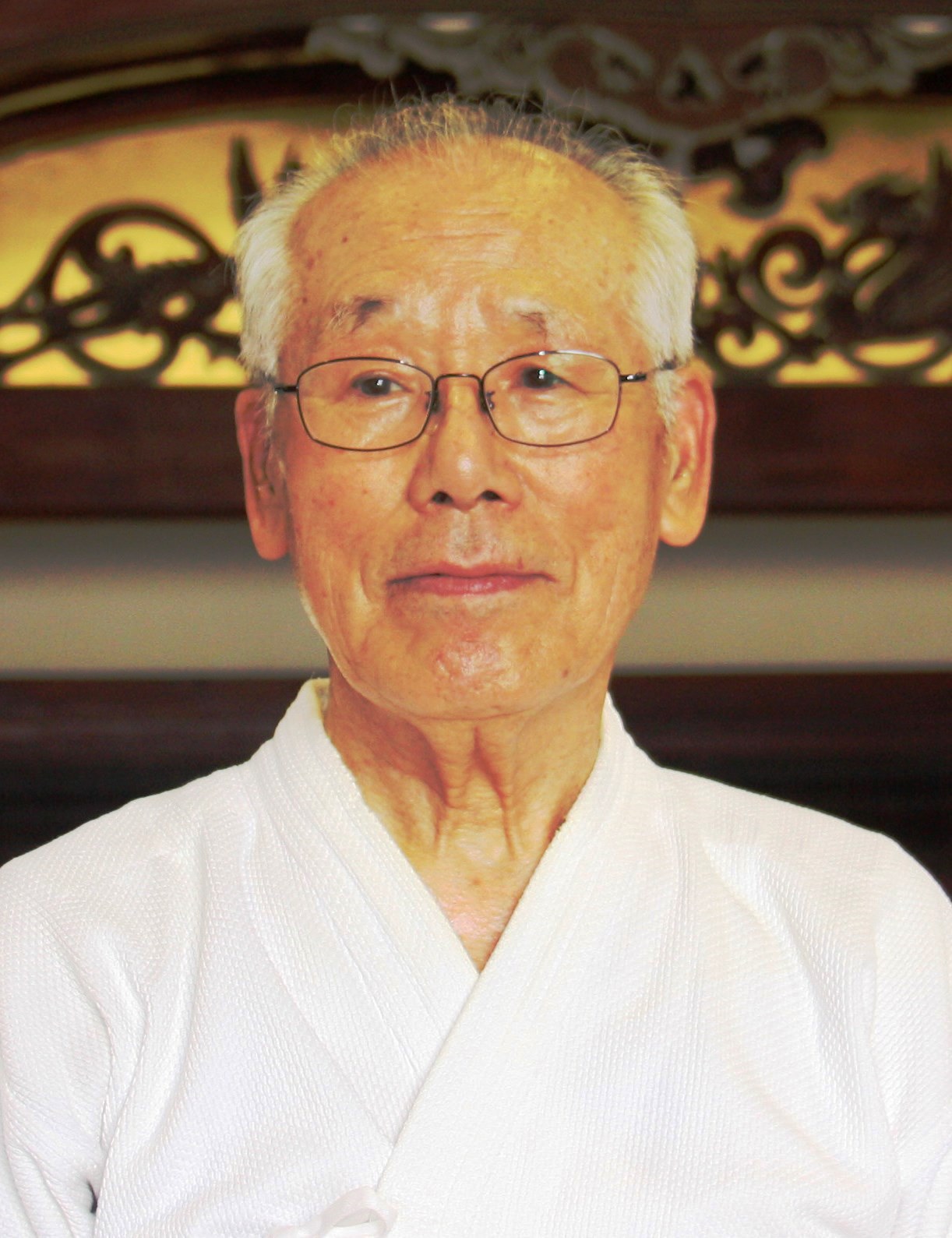
| Ichikawa Takashi Saiko Komon | Eitaru Inoue Kancho | Hosokawa Shihan |
Later, from 1939 to 1945, when he had already attained the rank of Lieutenant Colonel, Morinaga Kiyoshi was appointed Director of the Toyama Academy and Head of the Kenjutsu Konkyú Kai. In this role, he was responsible for expanding the Iai curriculum from the original five kata to seven. He achieved this by removing the 1925 version of the fifth form and introducing a new fifth form, together with two additional forms, the sixth and seventh. Today, eight forms are studied at advanced levels.
The Gunto Jutsu underwent three phases of evolution and development. The purpose of this school was to ensure that officers carrying a gunto or katana possessed the basic knowledge required to use it in real combat and could learn to handle it effectively within a short period of time, in a direct and decisive manner. This explains the limited number of techniques, all of which are performed from a standing position. Over time, the techniques were refined and perfected. The teaching programme even includes practice against attacks with a bayonet, known as Jukendo.
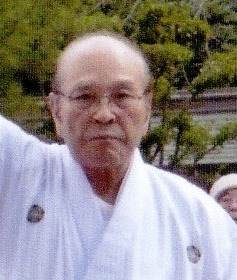 |
 |
 |
| Murakami Shihan | Sawa Shihan | Soujima Shinan |
Today, practitioners of Toyama Ryu, regardless of their Ha or branch, are renowned for their skill in the practice of Tameshigiri (試切). The cutting test is a fundamental part of the Dan Shinsha, or Dan examinations. During the Kikan-Chu-No-Saibancho, the handling and control of the Shinken are considered essential.
Nakayama Hakudo (Hiromichi) Sensei actively practised Tameshigiri, but criticised simple cutting demonstrations and acrobatics. He regarded Tameshigiri as an integral part of the development and perfection of Iai. During the Second World War, although many of his students achieved great merit on the battlefield, there were also cases of failure, such as being unable to cut an opponent due to incorrect blade alignment and merely striking them instead, or even injuring themselves with their own sword.
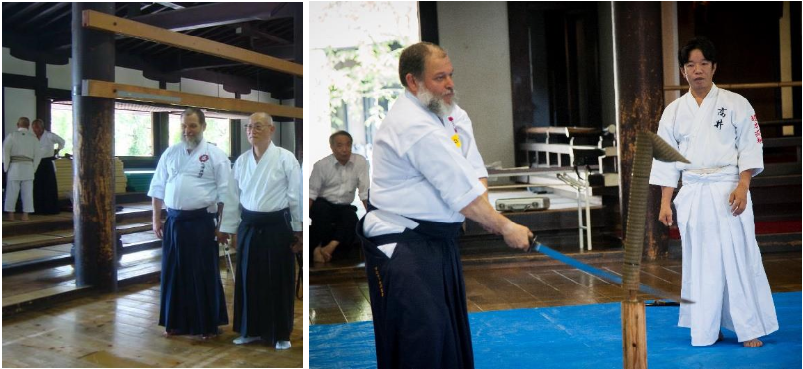
By the 1970s, three separate organisations represented Toyama Ryu Iaido: in Kansai, in the Kyoto-Osaka area, the Morinaga-Ha, founded by Colonel Morinaga Kiyoshi and represented by the Zen Nippon Toyama-Ryu Iaido Kyokaï; in Sapporo, Hokkaidō, the Yamaguchi-Ha, founded by Yamaguchi Yuuki and represented by the Nihon Toyama Ryú Iaidó Só-Renmei; and in Yokohama, the Nakamura-Ha, founded by Nakamura Taizaburo and represented by the Zen Nihon Toyama Ryú Iaidó Renmei. Each of these organisations is autonomous and preserves its own set of forms.
Today, several organisations are dedicated to teaching and promoting the Toyama-Ryû school through its three different branches: Morinaga-Ha Iai-Jutsu, Yamaguchi-Ha Iai-Dô and Nakamura-Ha Battō-Dō.
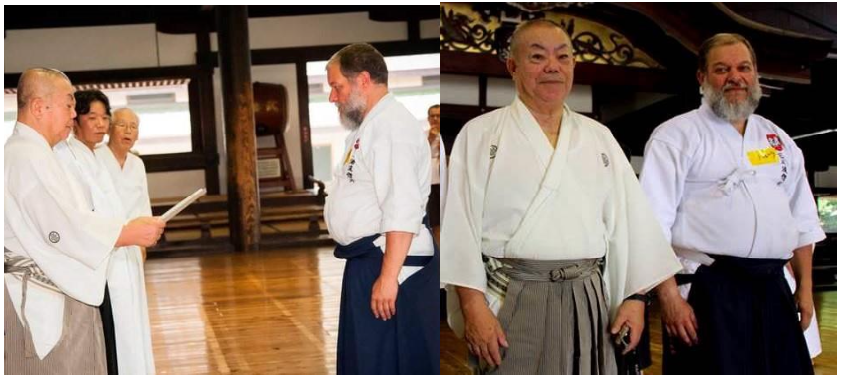
Ichikawa Takashi Saiko Komon and José Miguel Martínez Barrera, Shuseki Shihan of the Dai Nihon Dentô Morinaga Toyama-Ryu Iai-Jutsu Rengō-kai.
Dai Nippon Association of Traditional Morinaga Toyama-Ryu Iai-Jutsu
Welcome to the Dai Nippon Association of Traditional Morinaga Toyama-Ryu Iai-Jutsu.
We strive to embody “Traditional Morinaga Iai-Jutsu”.
Should you wish to join us, please do not hesitate to contact us. We invite you to explore our website.
大日本伝統森永戸山流居合術連合会
ようこそ大日本伝統森永戸山流居合術連合会のホームページへいらっしゃいました。
我々は「伝統森永 居合い」を具現すべく精進しております。
入門ご希望の方はどうぞお気軽にお問い合わせください。
ではごゆっくりご覧になってください。
For Katana Mart and YariNoHanzo, it is a true honour that practitioners of Toyama Ryu, and particularly those of the Morinaga-Ha, consider our products suitable for their daily training in the Dojo and for the practice of Tameshigiri.
The Dai Nihon Dentô Morinaga Toyama-Ryu Iai-Do Rengō-kai®© 大日本伝統森永戸山流居合道連合会, the recognised and registered Western branch, is represented in Europe in Spain, Portugal, France, Belgium, Germany and Italy, and in the Americas in Mexico, Costa Rica, Ecuador, Brazil and Venezuela.
We invite you to visit the Toyama Ryu website: click here.