
Words of the Samurai – Episode 16
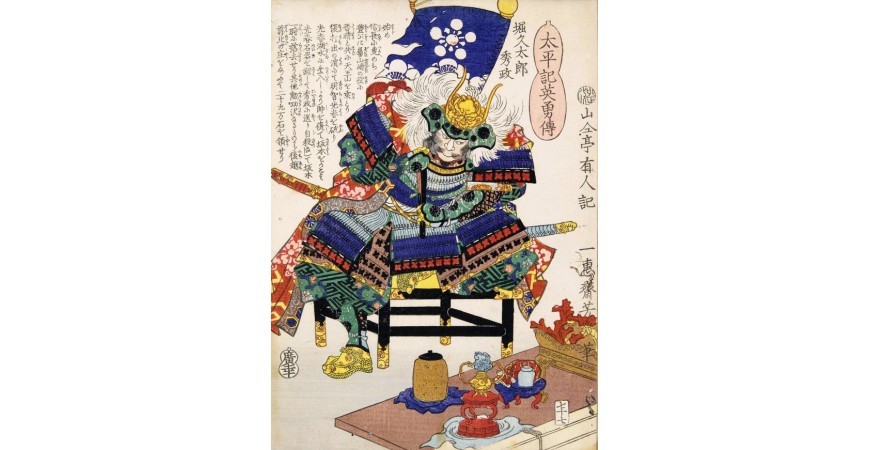
Hori Hidemasa and the Art of Winning Without a Fight
The image of the samurai who never retreats and chooses death over stepping back is a cultural construct born in the Edo period, solidified during the Meiji Restoration, and weaponised during Japan’s imperialist era.
In truth, during the turbulent Sengoku period, retreating, fleeing, and negotiating were all rational and common strategies.
Hori Hidemasa’s episode is a clear example of this pragmatic approach: using psychological insight rather than brute force, he seized a fortress without a single blow.
His actions reflect a refined understanding of warfare that challenges the later myths of unwavering heroism.
How a castle fell without a sword drawn: strategy over combat in Sengoku Japan
The ancient Chinese strategist Sun Tzu stated, “The greatest general is the one who wins without fighting, rather than the one who wins a hundred battles.”
One Japanese commander who put this principle into practice was Hori Hidemasa, a samurai who served under the Toyotomi Hideyoshi government. The following anecdote is told about him.
In 1587 (the 15th year of the Tenshō era), Hidemasa was appointed vanguard commander in the campaign to conquer Kyūshū.
After capturing several castles in the early battles, he gathered the enemy soldiers he had taken prisoner and said to them:
“We have come a long way to Kyūshū, but your comrades flee so quickly that we are constantly busy chasing them, without a moment’s rest.
When you return to your castles, please hold them for at least three days. While we besiege them, our men and horses will also get a chance to rest. Is that alright? I’m counting on you.”
The prisoners returned to their castles and repeated Hidemasa’s words exactly as they had heard them.
The defenders then thought:
“These enemies are so confident!”
“We can’t win against people so calm and composed!”
Panic-stricken, they abandoned the castle.
In this way, Hori Hidemasa captured the fortress without having to fight.
Hidemasa’s story not only showcases tactical brilliance but also helps dismantle the glorified stereotype of the samurai as a stoic warrior who never yields.
Samurai of the Sengoku period were adaptable and strategic, and leaders like Hidemasa remind us that true strength lies in knowing when not to fight.
Sometimes, the greatest victories are those earned through calm persuasion rather than combat.